
Rating of the best antiseptics for concrete for 2025
The spread of mold on concrete substrates is a common problem. If dark moldy spots appear on the concrete, it is necessary to immediately apply antiseptic treatment to such a surface using special compounds. Today's market can present many such solutions, but not all of them are suitable for certain grades of concrete.
Content
- 1 Concrete mold - general information
- 2 The results of the use of concrete antiseptics
- 3 Concrete antiseptics - types and technical requirements
- 4 Timely protection and prevention for concrete foundations
- 5 Application technique
- 6 Difficulties of choice
- 7 Rating of the best antiseptics for concrete for 2025
- 8 Conclusion
Concrete mold - general information
This type of plaque is caused by pathogenic microorganisms that are able to penetrate into the unprotected pores of concrete surfaces. Highlighting their waste products, they thereby reduce the adhesive properties of the particles of the bonding material, which is why the overall layer begins to crack. In principle, moldiness cannot greatly damage completely monolithic cement structures, but it will significantly reduce their overall service life. The main danger of the fungus lies in the negative impact on the health of humans and animals that live in the room where the structures have been infected. The fungus will constantly release toxic waste into the air, which can accumulate in the body, lowering its immunity.
Of particular danger are fungal spores, through which colonies spread and multiply.It is they who are able to cause significant harm to a living organism, having got and settled in the respiratory tract, and such circumstances can be fraught with asthma / allergies, and in the worst case, they can be fatal. In any situation, the mold will hurt the immune system, and through its weakening, you can get high progress in directly unrelated diseases, for example, the accelerated development of eczema, cardiovascular diseases, and even worsening of the oncological background. All of this applies equally to humans and pets.
To resist the occurrence of fungal mold, it is necessary to use a special solution for treating the cement surface. Such processing should be carried out if at the place of stay of people or in the structure there are:
- Faulty and leaking plumbing fixtures;
- Premises without heating;
- Premises with insufficient ventilation (with their high level of tightness);
- Rooms in which the "cold bridge" passes through the corners;
- Signs of excessive external freezing;
- Foundation without proper waterproofing or with poor-quality panel seams;
- Premises with many green plants;
- Rooms where wet clothes are constantly dried.
The results of the use of concrete antiseptics
Antiseptic impregnation for concrete is designed to perform the most important function - it is to give the treated surface water-repellent qualities. The use of such a composition will prevent the destructive effects of moisture and protect the object from the formation of favorable soil for the development of harmful microorganisms. At the same time, impregnation will increase the resistance of the object to the effects of sunlight or aggressive cleaning chemicals.
The result of the application of the considered type of antiseptic will be:
- Formation of a powerful barrier of protection over the entire treated area;
- Improving the strength properties of the structure, which will immediately increase its operational life;
- Prevention of excessive adhesion of dust to the base, which will make it easier to apply other materials to concrete;
- Visually enhance the aesthetic appearance;
- Significantly reduce the risk of premature repairs.
Concrete antiseptics - types and technical requirements
All types of impregnation considered are considered deep penetration agents and may differ in their functionality from specialized mixtures intended for other materials. However, today's manufacturer is trying to bring most of the tools to universality, that is, so that the same composition can be used for different reasons and with the simultaneous performance of different functions - from priming to antiseptic (antifungal) protection. In any case, both specialized and universal compositions must have the following properties:
- Overall efficiency;
- Increased environmental friendliness;
- Have no unpleasant odors;
- Be non-aggressive to metal inserts often present in concrete structures (rebar);
- Be resistant to temperature extremes;
- Do not succumb to rapid washing out after penetration into the pores.
Water based
They are able to dissolve perfectly in water and have a high degree of penetration into the pores. However, they are also easy to wash. Their structure contains mineral salts (for example, copper / iron sulfate or sodium fluorosilicon), which can corrode the reinforcement.Accordingly, such impregnations are used on walls in which there are no metal inclusions (usually, these are rooms without load-bearing walls). If you want to apply them on the outside, then you will need additional reinforcement (coating) with resin or varnish. Water-soluble samples are fireproof, almost do not emit unpleasant odors after application. It is even possible to use them as internal additives to some types of mortars, which increases the protective properties of the latter. BP-compositions are supplied in the form of dry mixes; when diluted, they will require accuracy in maintaining proportions, otherwise the effect of use will be minimal. Most users recognize this type of antiseptic as effective, especially if it contains enhanced zinc sulfate in its structure. This sulfate perfectly resists the emergence of mold microflora, despite the fact that it has low toxicity and produces a minimum of condensate.
Oil based
Such an antiseptic will definitely not cause the destruction of metal in concrete, moreover, it is very poorly washed out with water, which is achieved due to its viscous consistency. However, it is recommended to use oil antiseptics in non-residential premises, where the walls do not have too deep pores. The oil base has not been the standard of environmental friendliness for a long time and has a certain degree of toxicity, which makes it undesirable for constant contact with the respiratory system. Also, oil impregnations have a flammability class, their external dark brown appearance is not suitable for every interior, especially since the superimposed layer is not resistant to ultraviolet rays. The imposition of other substances on top of them is also not recommended. Accordingly, these mixtures are purely technologically oriented.Shale, coal or creosote types of oil are more often present in the structure, on which the consumption of the volume of the working mass will depend. At the end of processing - airing the room for a long period is simply a must!
Organic based
These antiseptics are the optimal post-solution of the problem, they are intended to combat already successfully developing fungal colonies - they will perfectly cope with abundantly and heavily infected large areas. However, in the course of their (rather long) action, they will not tolerate the presence of a person without personal protective equipment, because their work is carried out due to active toxins. The consumption of the working substance is average and ranges from 60 to 70 milliliters per square meter. Their undoubted advantages include:
- No destructive effect on concrete reinforcement;
- A powerful impact on an already overgrown colony;
- The applied layer will continue to operate effectively for five years;
- Deep entry into concrete pores.
Combined samples
They are a combination of individual ingredients from the above formulations. For example, organic inclusions that enhance the effect can be added to aqueous solutions. Such symbioses of protective impregnations will allow you not to worry about the occurrence of fungi, at least for a decade. But they have two significant disadvantages - these are high cost and extreme toxicity.
The difference between concrete antiseptics and standard
Besides the fact that concrete impregnations have a high penetration depth, they also have:
- More liquid consistency;
- More active polymers designed to increase the durability of the treated base;
- Synthetic additives capable of maintaining impact resistance properties, which is necessary for places where the coating is subjected to high mechanical stress;
- Organic additives that can quickly destroy the harmful microflora of the fungus, at the same time, filling too large pores with their mass in order to avoid the accumulation of moisture there.
Also, after treatment with a concrete antiseptic, grinding is not a mandatory event, and the coating itself can dry relatively quickly.
Timely protection and prevention for concrete foundations
Any appearance in the room of a pronounced smell of rot will mean that somewhere on the concrete base a fungal colony has begun to form. To quickly prevent its development, you will need to perform the following steps:
- Determine and eliminate the causes of poor ventilation (check the correct installation of plastic windows, check the internal ventilation ducts);
- Detect and repair corner freezing zones, possible cold bridges in all poorly protected places;
- Restore the proper level of moisture insulation of the foundation, basement and basements (where antiseptic treatment needs to be carried out).
IMPORTANT! As a preventive measure, you can simply add an appropriate antiseptic additive to the cement mortar. Indeed, this will increase the cost of preparing the solution and its cost, but it will allow you not to fork out once again for premature repairs.
Among other things, you can take the following preventive actions:
- Wall insulation;
- Organization of a competent ventilation system;
- Prevention of possible water leakage from the roof into the premises;
- Regularly carry out forced ventilation of rooms (if it is not possible to use technical means);
- The concrete wall and wooden furniture should not be in close contact (wood is fertile ground for the development of pests in high humidity);
- Dry wet clothes only outdoors;
- When cooking, use a hood to prevent condensation from forming.
Such simple rules will help extend the life of any cement base without resorting to the constant use of an antiseptic.
Application technique
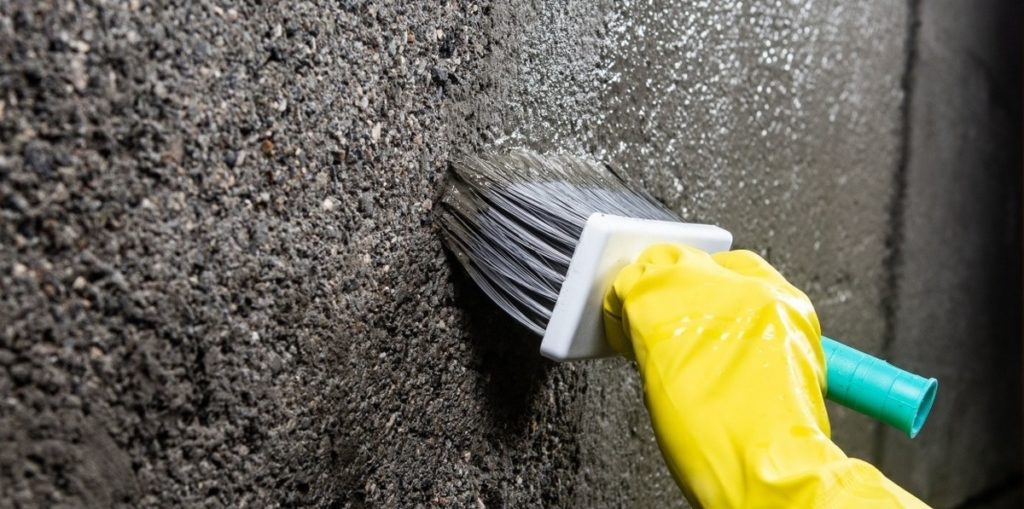
Application of impregnation is possible with a conventional brush. It will be convenient for her to process concreted seams and walk through all the "secluded" corners. If the area has already been plastered, then it is better to apply the impregnation with a roller or spray gun. It is important that the ambient temperature is not below zero degrees Celsius. If it is supposed to carry out protection in several layers, which is necessary, for example, for a technical room, then each subsequent layer can be applied without waiting for the previous one to dry. This technique will not allow the concrete to exfoliate.
For the treatment of external parts, it is preferable to use stronger and more aggressive compounds that are not suitable for indoor use. It is always worth remembering that due to the impact of weather precipitation on the outer walls, the protective layer will require periodic renewal, which is recommended once a year.
Work safety
While working with antiseptics, all operations with them must be carried out using personal protective equipment: a respirator, gloves and goggles. As a protective form, it is allowed to use a raincoat made of polyethylene.The main thing is to prevent the ingress of toxic compounds on the mucous membranes and into the respiratory tract. After processing, all PPE must be thoroughly cleaned, because fungus spores may remain on them, which can infect another room.
Difficulties of choice
Before buying, as usual, you should decide on the scope of tasks in order to select the right product as accurately as possible:
- You need to buy organic impregnations to work on concrete bases, which may be subjected to decorative coatings in the future, and where it is necessary to maintain the aesthetics of the appearance of the coating. They will also be the best solution for foundations subjected to high mechanical loads. Their cost is higher, but the quality of processing is better.
- Silicate / oil antiseptics are more suitable for non-residential and technical rooms that need to be protected with minimal cash costs. They will easily hide even significant irregularities, but they may need to be applied in several layers.
- Before buying, you should carefully study the manufacturer's recommendations and the chemical composition of the substance. So it is possible not to make a mistake with the proportions when mixing and to determine as accurately as possible the brand of concrete for which a particular antiseptic sample is suitable.
- There, in the instructions, there will be instructions regarding the time of application and drying - this will help to prevent mistakes in terms of applying repeated layers.
- For interior treatment, it is preferable to use products that directly indicate their reduced toxicity, while at the same time leaving no unpleasant odors after drying.
- If the percentage of the polymeric substance in the antiseptic is high enough, then this means its high viscosity, which implies work exclusively with a brush or roller.Only they will help to fill the concrete pores as quickly and efficiently as possible.
Rating of the best antiseptics for concrete for 2025
Budget segment
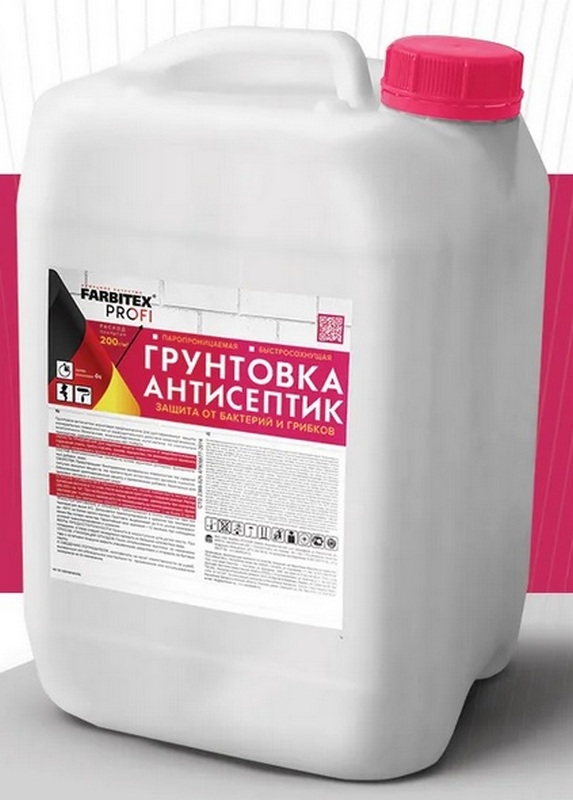
3rd place: "FARBITEX PROFI (Article: 4300002492; Packing 1 kg), protection against bacteria and fungi"
The mixture is intended for long-term protection of concrete surfaces from the destructive action of microorganisms, environmentally friendly, water-dilutable. Provides reliable protection against microbiological damage (rot, mold fungus, blue stain, algae). Does not contain volatile harmful substances. Does not interfere with the natural breathing of the coating. Provides long-term protection with the use of additives that are safe for human health and the environment. The recommended cost for retail chains is 240 rubles.
Advantages:
- Sufficient environmental friendliness;
- Ability to fight most typical bacteria;
- Adequate price.
Flaws:
- Do not apply to previously painted surfaces.
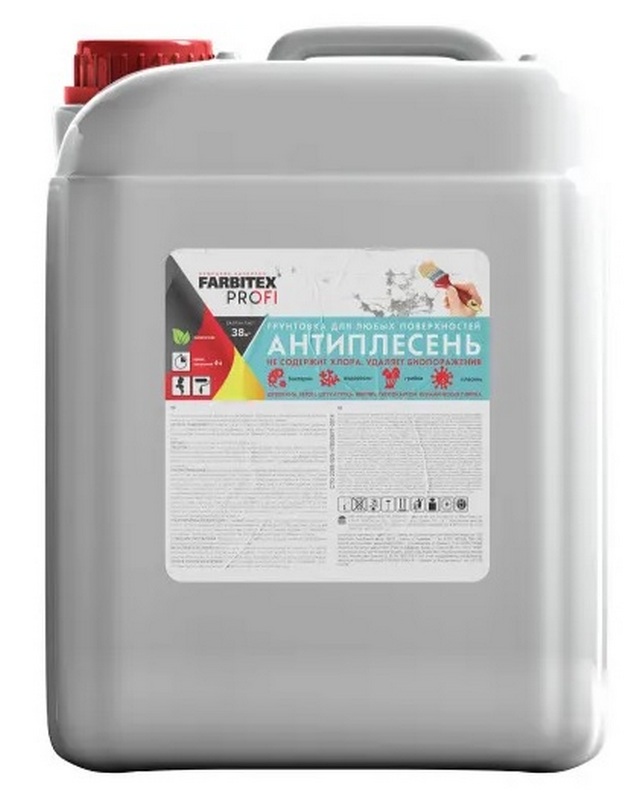
2nd place: "Anti-mold" FARBITEX
This versatile sample has a wide spectrum of action. Designed for antiseptic treatment of various substrates: wood, concrete, plaster, brick, drywall, ceramic tiles, tiles. Suitable for processing surfaces previously painted with any kind of paint and varnish products. Eliminates various types of fungi, algae, bacteria and mold. Easily prevents bioinjury and is ideal for treating already affected areas. When applied, the active ingredients instantly inhibit the growth and development of microorganisms on mineral and wooden objects. Does not form a film on the treated areas, which ensures natural air exchange.Colorless, does not stain the treated surface. The recommended cost for retail chains is 370 rubles.
Advantages:
- It can be used both as a prophylactic and as a remedy;
- Average consumption level;
- Has no coloring effect.
Flaws:
- Requires periodic updates.
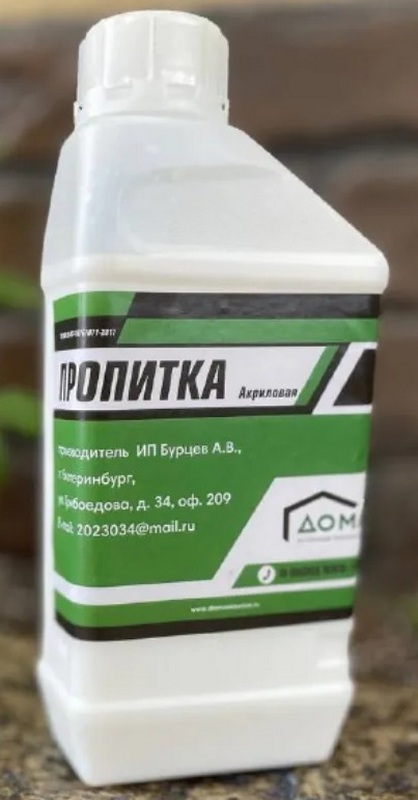
1st place: "DOMASK" for concrete, stone, paving slabs"
This composition is intended for finishing treatment in the construction of new concrete floors with topping (hardener), decorative stamped concrete (pressed concrete), decorative plaster, as well as building facades in order to strengthen them, protect against moisture penetration, mold, increase chemical resistance and wear resistance. It is also used for dedusting and reconstruction of old concrete surfaces. The product is environmentally friendly, the composition is based on styrene acrylate dispersion, water and various excipients. Has a good penetrating effect. The recommended cost for retail chains is 575 rubles.
Advantages:
- Ecological cleanliness;
- Good viscosity coupled with penetrating power;
- Large container.
Flaws:
- Short shelf life - six months.
Middle price segment
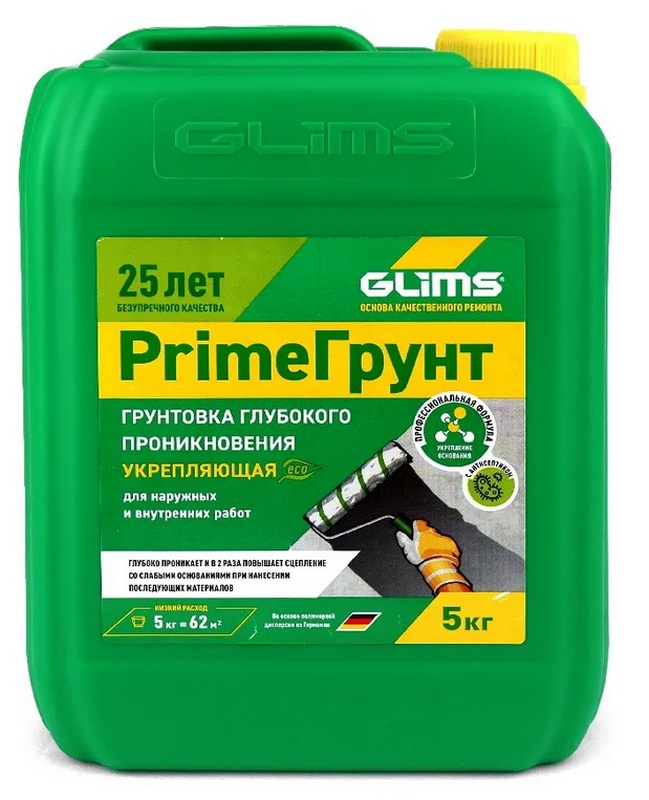
3rd place: "Glims Prime" firming, deep penetration, 5 kg"
The product simultaneously equalizes the absorbency of the base, strengthens the surface, increases adhesion, prevents the appearance and development of fungus, reduces the consumption of paint and wallpaper glue. Recommended bases: concrete, aerated concrete, gypsum, drywall, artificial stone, ceramics, brick, natural stone, foam concrete, cement, slate.The recommended cost for retail chains is 580 rubles.
Advantages:
- Possibility of application with a spray gun;
- Reduced consumption;
- The best ratio of price and quality.
Flaws:
- Not detected.
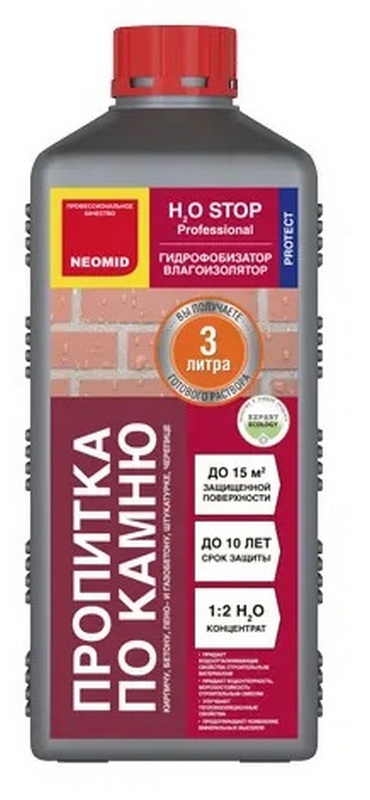
2nd place: "Neomid construction antiseptic"
This product imparts water and dirt repellency to water-absorbing porous building materials, such as facing and sand-lime bricks, artificial and natural finishing stone (limestone, sandstone), paving slabs, concrete, aerated concrete, foam concrete, gypsum, drywall, etc. in cement-sand mixtures, in the production of concrete, plasters, cement-sand screeds of paving slabs and finishing stone in order to impart water-repellent properties, increase frost resistance and durability. The recommended cost for retail chains is 770 rubles.
Advantages:
- Full set of antiseptic properties;
- The possibility of subsequent interaction with oil paints;
- The effect is achieved in 2 days.
Flaws:
- Relatively high expense.
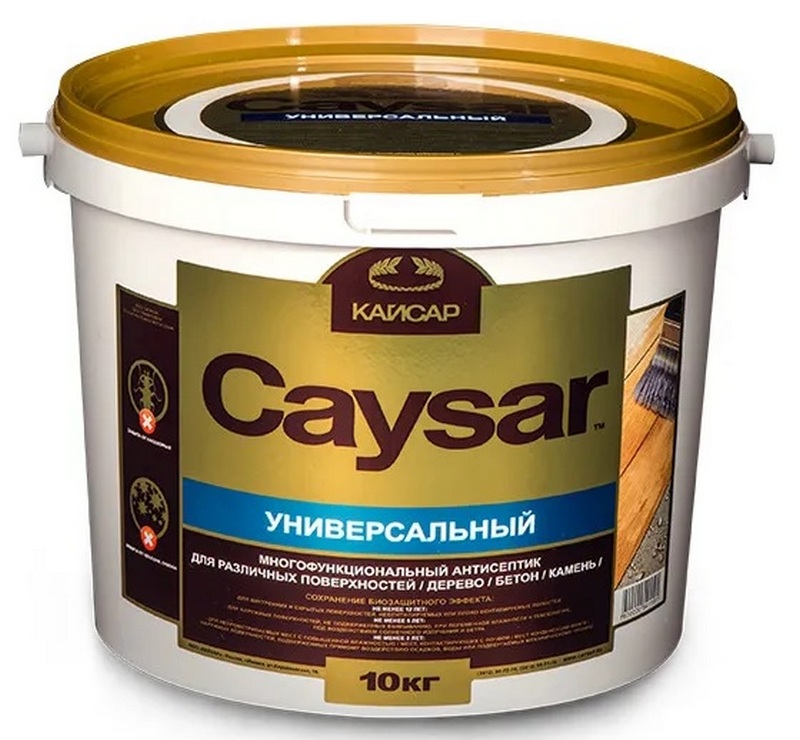
1st place: "Caysar", universal hard-to-wash, 10 kg"
This multifunctional antiseptic material is suitable for various surfaces: for concrete, stone, brick, plaster, wood. Protects the surface for up to 12 years against decay, mold, bacteria, while providing adequate biosecurity. Can be stored and transported in difficult conditions. Recommended for processing vegetable pits and cellars. The recommended cost for retail chains is 1890 rubles.
Advantages:
- Large scope of supply;
- Ability to apply with a small tool;
- Rapid prevention of the spread of mold.
Flaws:
- Not detected.
Premium class
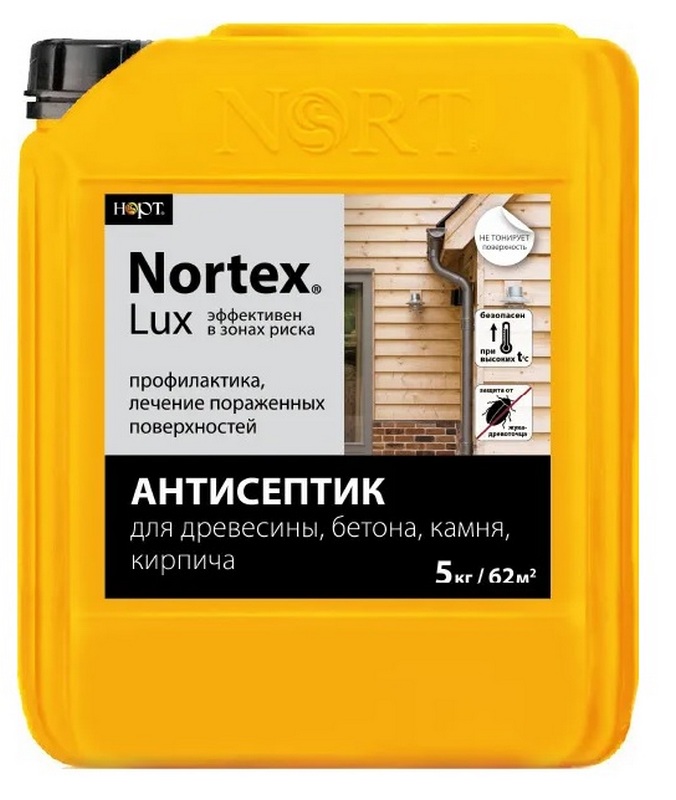
3rd place: "Nortex LUX, reinforced antiseptic, 5 kg"
This highly effective antiseptic impregnation is intended for healthy and affected surfaces made of wood, concrete, stone, brick. Can be used in harsh environments, suitable for indoor and outdoor use. Perfectly destroys mold and wood-staining fungi, algae, prevents their reappearance. Protects against woodworm. Recommended for the protection and treatment of surfaces used in risk areas and harsh climatic conditions. The recommended cost for retail chains is 2100 rubles.
Advantages:
- Low consumption;
- Let's combine with LKM — the processed surfaces can be covered with paints and varnishes already in 24 hours after drawing structure;
- Does not tint the surface, does not form a film.
Flaws:
- Not detected.
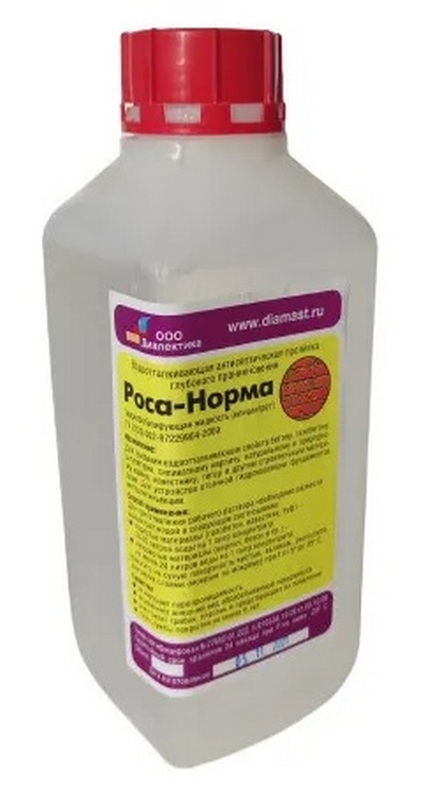
2nd place: "Water repellent "ROSA-NORMA" 24 liters, water-repellent antiseptic impregnation for concrete"
The sample is used for cut-off waterproofing of concrete foundations by injection. Penetrates into the treated material to a depth of 1 to 10 mm, does not violate vapor permeability, does not change the appearance of the treated surface. Easily destroys a fungus and a mold and prevents their occurrence. Service life of a covering not less than 6 years. The recommended cost for retail chains is 2780 rubles.
Advantages:
- Reduces water absorption by 10-50 times;
- Possibility of applying with a special tool;
- Sufficient duration.
Flaws:
- Somewhat overpriced.
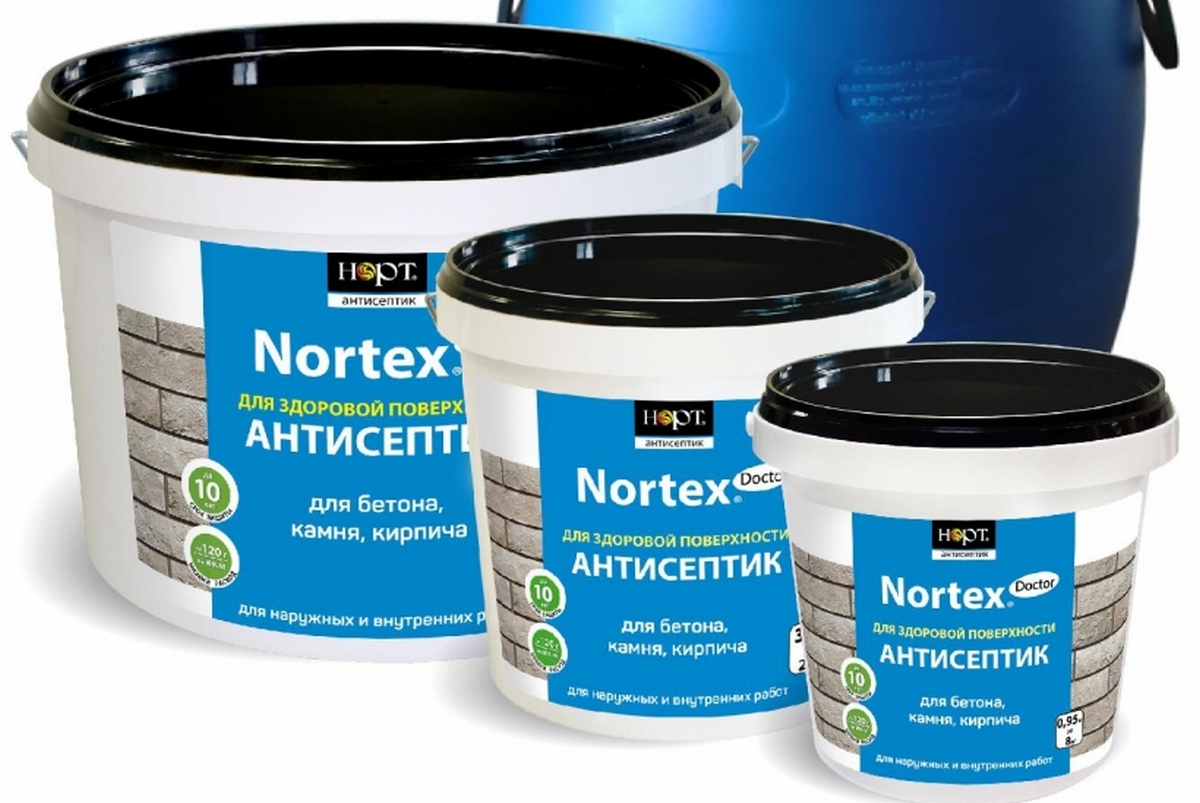
1st place: "Nortex Doctor 21 kg, building antiseptic"
The material is used for healthy and affected surfaces made of concrete, stone and brick. It can be applied to external and internal works. Easily destroys mold algae, prevents their reappearance. Differs in low expense - from 120 g/sq.m. Service life: inside heated and unheated premises - at least 10 years, and outside - at least 5 years. The recommended cost for retail chains is 4570 rubles.
Advantages:
- Large volume;
- Long period of validity;
- Preventive and health-improving purpose.
Flaws:
- Not detected.
Conclusion
Antiseptic for concrete plays an important role in the process of building structures, especially for the treatment of residential premises. Properly selected means of combating fungus and mold will make life easier in the house, making it safer.
new entries
Categories
The best men's sneakers in 2025
Views: 124044
The Best Complex Vitamins in 2025
Views: 121948

The best card cases and cardholders for 2025
Views: 2829

The best microfiber towels for 2025
Views: 6537



Useful
Ranking of the best vacuum sealers for 2025
Views: 1941
Rating of the best electric hobs for 2025
Views: 2343


Best Antivirals in 2025
Views: 33339
Top 15 hoverboards of 2025. Decent value for money
Views: 29343
Popular Articles
-

Top ranking of the best and cheapest scooters up to 50cc in 2025
Views: 131661 -

Rating of the best soundproofing materials for an apartment in 2025
Views: 127700 -

Rating of cheap analogues of expensive medicines for flu and colds for 2025
Views: 124527 -
The best men's sneakers in 2025
Views: 124044 -
The Best Complex Vitamins in 2025
Views: 121948 -

Top ranking of the best smartwatches 2025 - price-quality ratio
Views: 114985 -

The best paint for gray hair - top rating 2025
Views: 113402 -
Ranking of the best wood paints for interior work in 2025
Views: 110328 -
Rating of the best spinning reels in 2025
Views: 105335 -

Ranking of the best sex dolls for men for 2025
Views: 104375 -

Ranking of the best action cameras from China in 2025
Views: 102224 -
The most effective calcium preparations for adults and children in 2025
Views: 102018